
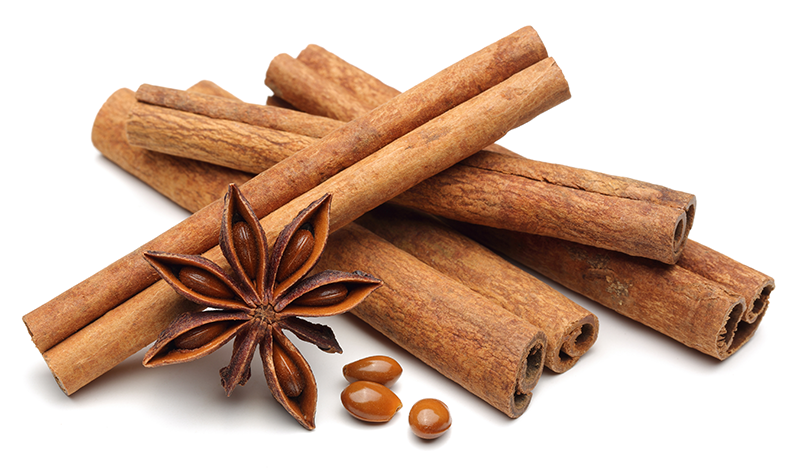
Anise is one of those herbs that feels familiar the moment you smell it. Sweet, warm, and licorice-like, it shows up in classic baking, traditional teas, and herbal blends around the world. Beyond flavor, anise has a long history of use for digestion and post-meal comfort, and it continues to attract attention today for its essential oils and plant compounds. Like any herb, though, it matters how you use it, what form you choose, and whether it’s a good fit for you—especially if you take medications or have certain health conditions. This guide breaks down anise benefits, uses, forms, and the key interactions and cautions to keep in mind so you can enjoy it confidently.
Anise Benefits
Anise (often discussed for its seeds and essential oil) is most commonly associated with digestive comfort. Many people use anise tea or culinary anise after meals because it can feel soothing when the stomach is unsettled or overly full. Traditional herbal practices also use anise to ease occasional gas and bloating, and anise is frequently included in “after-dinner” blends for that reason.
Anise is also used for throat and respiratory comfort in some traditions. You’ll find it in lozenges, teas, and syrups meant to soothe irritation, especially in colder months. While it’s not a cure for illness, the warm, aromatic character can be calming, and warm fluids themselves can be supportive when you’re feeling run down.
From a nutrition and chemistry perspective, anise contains aromatic compounds—most notably anethole—that give it its distinctive flavor and scent. Plant compounds like these are one reason herbs are studied for antioxidant activity and other properties. That said, the benefit you get depends heavily on the amount and form used (sprinkling a pinch in a recipe is very different from taking concentrated extracts or essential oils). For most people, the simplest and safest “benefit” is adding a flavorful herb that can make foods and beverages more enjoyable and easier to digest.
What is Anise?
Anise typically refers to Pimpinella anisum, a flowering plant in the Apiaceae family (the same general family as fennel, dill, and parsley). The part most commonly used is the “seed,” which is technically a small fruit but is treated like a seed in cooking and herbalism. Anise is known for a sweet, licorice-like taste that’s easy to recognize.
It’s worth noting that anise is sometimes confused with star anise. Star anise (Illicium verum) has a similar flavor profile and is used in many of the same culinary ways, but it’s a different plant entirely. They share some overlapping compounds, which is why they can taste similar, but they are not interchangeable in every context—especially when it comes to supplements, extracts, and essential oils.
Historical Uses of Anise
Anise has been used for centuries across multiple cultures, both as a culinary spice and as an herb in traditional wellness practices. Historically, it was commonly used to flavor breads, cakes, and cookies, and it became a staple in certain regional cuisines and holiday recipes. Its sweet aroma also made it popular in liqueurs and cordials, where the licorice-like flavor can shine.
On the traditional herb side, anise was often brewed as a tea, sometimes on its own and sometimes blended with other aromatic herbs such as fennel or peppermint. Many historical uses centered on digestion and post-meal comfort. In some traditions, anise was also used to freshen breath and to support overall “warming” herbal blends thought to help the body feel settled and balanced.
Forms of Anise
Anise is available in several forms, and the best choice depends on your goal: flavor, gentle herbal use, or a more concentrated product. Here are the most common forms:
Whole anise seed: Great for cooking, baking, and simmering in teas. Whole seeds keep their flavor longer than pre-ground versions. You can lightly crush them before steeping to release more aroma.
Ground anise: Convenient for baking and spice blends, but it loses potency faster. Store it in a cool, dark place and use it within a reasonable time for the best flavor.
Anise tea: Often made by steeping whole or lightly crushed seeds in hot water for 5–10 minutes. This is one of the gentlest ways to use anise and is popular after meals.
Anise extract: Common in baking. Extracts vary widely in strength and ingredients, so read labels carefully. Culinary extracts are meant for food use—not the same as essential oils.
Anise essential oil: Highly concentrated and typically used for aromatherapy or in very diluted topical applications under professional guidance. Ingesting essential oils is generally not recommended unless specifically directed by a qualified clinician, as dosing errors and allergic reactions are more likely.
Supplements and tinctures: These can deliver higher amounts than food. Quality, concentration, and dosing can vary, so it’s especially important to use reputable brands and consider medication interactions.
Interactions: What Should not be taken with Anise?
If you use anise in normal culinary amounts—sprinkled in recipes or brewed as an occasional tea—interactions are less likely for most people. The concerns rise when you use concentrated forms such as supplements, tinctures, or essential oils. If you take medications or have a complex medical history, it’s smart to check with your clinician or pharmacist before using concentrated anise products regularly.
Hormone-sensitive conditions and hormone-related medications: Anise has been discussed for mild estrogen-like activity in some contexts. Because of that, people who take hormone therapies or have hormone-sensitive conditions may want to be cautious with concentrated anise supplements.
Blood thinners and bleeding risk: Many herbs can potentially affect bleeding risk, especially in concentrated forms. If you take anticoagulants or antiplatelet medications, or you have a bleeding disorder, it’s wise to be conservative and ask your clinician before using anise supplements.
Diabetes medications: Some herbs may influence blood sugar in certain people. If you use glucose-lowering medications, monitor your response carefully if you add any new herbal supplement—even if you tolerate it as a food.
Sedatives or CNS-acting medications: Anise isn’t usually considered strongly sedating in culinary use, but herbal blends that include anise may also include other calming herbs. If you’re sensitive to drowsiness or take sedating medications, pay attention to how any blended products affect you.
Allergy cross-reactivity: Because anise belongs to the Apiaceae family, people with allergies to related plants (such as fennel, celery, carrot, dill, or coriander) may be more likely to react. This isn’t guaranteed, but it’s a reason to start with small amounts.
Who Should Avoid Anise
Many people can enjoy anise safely as a spice. Still, there are situations where caution is warranted—particularly with supplements or essential oil products.
People with known allergies: If you’ve reacted to anise, fennel, celery, carrot, or other plants in the same family, avoid anise or test only tiny amounts under guidance.
Pregnant or breastfeeding individuals: Culinary amounts are generally treated differently from supplements. Because concentrated herbal products can act differently in the body, it’s best to consult an OB/GYN or pediatric clinician before using anise supplements or essential oils.
People with hormone-sensitive conditions: If you have a history of hormone-sensitive cancers or conditions, or you take hormone-related medications, use caution with concentrated anise products.
Children: Small amounts of culinary spices in food are typically fine, but supplements, especially essential oils, should be used carefully. Essential oils can be risky for kids if misused or too concentrated.
Anyone preparing for surgery: If you’re having a procedure, ask your surgical team about supplements. Many clinicians recommend stopping herbal supplements in advance due to bleeding risk or anesthesia interactions.
Fun Facts About Anise
Anise has a flavor profile that people either love instantly or learn to appreciate over time. It’s the signature note in several well-known liqueurs around the world, and it’s also a classic in certain cookies and baked goods. In cooking, a tiny amount can transform a dish—especially when paired with citrus, cinnamon, clove, or vanilla.
Another fun detail: because anise is aromatic and sweet, it’s often used in spice blends to make food taste richer without adding extra sugar. That’s one reason it shows up in “warming” herbal teas and dessert recipes. And while many people associate it with licorice, anise is not the same plant as licorice root—though their flavors overlap.
Conclusion
Anise is a versatile herb that bridges the gap between kitchen spice and traditional herbal comfort. In food and tea, it’s a simple way to add warmth and sweetness, and many people reach for it after meals to ease digestion. Choosing the right form matters: whole or ground seed and tea are typically the gentlest options, while supplements and essential oils are far more concentrated and deserve extra caution.
If you take medications, manage a chronic condition, are pregnant, or have known plant allergies, treat concentrated anise products like any other supplement: read labels, start low, and check with a clinician when in doubt. Used thoughtfully, anise can be a flavorful, comforting addition to your routine—one that’s been appreciated for centuries and still earns its place in modern kitchens today.
Use Coupon Code: FREE
*Sorry, coupons can't be combined.