
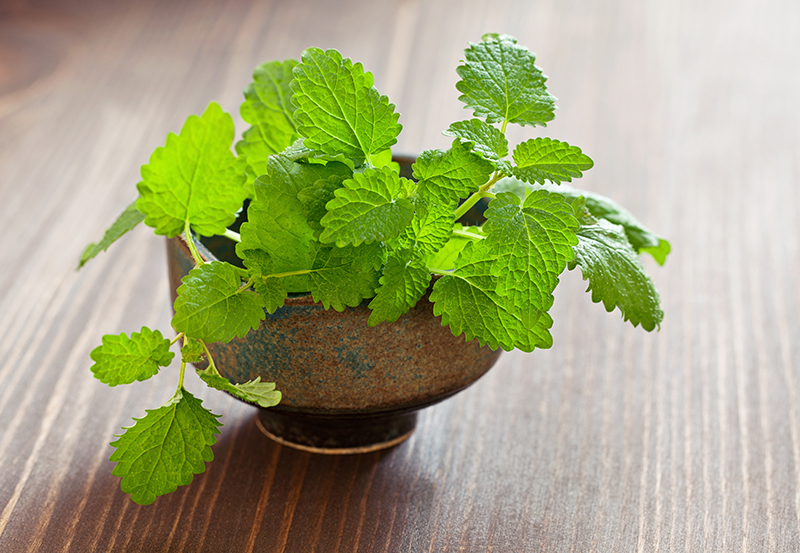
What is Lemon Balm?
Lemon balm, known botanically as Melissa officinalis, is a bright, fragrant herb in the mint family. Its fresh, lemony scent and gentle flavor have made it a beloved plant for centuries, used both in the kitchen and for therapeutic purposes. Lemon balm grows easily in temperate climates, producing soft green leaves that release a citrus aroma when touched. The plant is often used in teas, tinctures, and natural remedies, and is valued for its calming and uplifting effects. While it is gentle enough for everyday wellness, it also has a long history in traditional herbal medicine. Today, lemon balm is widely available as a supplement and is appreciated for its ability to support relaxation, digestion, and emotional well-being.
Lemon balm’s essential oils, antioxidants, and natural plant compounds contribute to its soothing, mood-supportive qualities. It contains rosmarinic acid, flavonoids, phenolic acids, and volatile oils—each contributing to its calming effects on the nervous system. Whether taken as tea, extract, or capsule, lemon balm remains one of the most approachable and well-loved herbs for stress support, sleep, and gentle digestive comfort.
Historical Uses of Lemon Balm
Lemon balm has been used medicinally for more than 2,000 years. Ancient Greek and Roman physicians recommended it for emotional balance, digestive comfort, and to soothe what we now recognize as stress-related symptoms. The name “Melissa” means “honeybee” in Greek, a reference to the plant’s ability to attract bees and support healthy hives. Traditionally, lemon balm was planted near beehives to encourage bees to remain in the area.
During the Middle Ages, lemon balm was widely used in Europe as a calming herbal remedy. Monasteries cultivated the plant extensively, using it to produce herbal tonics, infused wines, and sleep remedies. Herbalists of the era believed lemon balm could “lift the spirits,” soothe nervous tension, and ease restlessness. Paracelsus, a well-known Renaissance physician, reportedly called lemon balm the “elixir of life,” believing it had powerful rejuvenating properties.
Colonists later brought lemon balm to North America, where it quickly became a popular household herb. It was used in teas, poultices, and tinctures to support digestion, soothe headaches, and improve mood. Today, lemon balm remains a staple in natural wellness traditions worldwide.
What Forms Does Lemon Balm Come In?
One of the reasons lemon balm is so widely used is its versatility. It comes in many supplemental forms, making it easy to incorporate into a daily wellness routine.
- Herbal Tea
Dried lemon balm leaves can be steeped as a soothing tea. This is the most traditional form and is often used for relaxation, mild anxiety, and digestive support. Many people enjoy lemon balm tea in the evening to help unwind before bedtime.
- Capsules and Tablets
Standardized lemon balm supplements offer a consistent dose of active compounds. Capsules are convenient for those who prefer an exact amount each time or do not enjoy the taste of herbal tea.
- Tinctures and Liquid Extracts
Lemon balm extract is taken by dropper and absorbed quickly into the bloodstream. This form allows flexible dosing and can be added to water or tea. Herbalists often choose tinctures for emotional or nervous system support.
- Essential Oil
Lemon balm essential oil is highly concentrated and typically used in aromatherapy rather than ingestion. It is valued for its bright, calming scent and may help promote relaxation when diffused.
- Topical Creams and Salves
Lemon balm is sometimes used in skincare products, especially natural creams for cold sores. The herb’s antiviral compounds may soothe affected skin when applied directly.
- Culinary Uses
Fresh lemon balm leaves can be added to salads, sauces, desserts, and infused waters. While not a “supplement,” culinary use offers gentle benefits and adds a refreshing citrus note to dishes.
The variety of forms ensures that virtually anyone can find a way to enjoy the herb that fits their lifestyle and preferences.
Benefits and Uses of Lemon Balm
Lemon balm is widely appreciated for its gentle yet effective therapeutic benefits. Though more research continues to develop, many traditional uses are now being supported by modern clinical studies.
1. Promotes Calm and Reduces Stress
Lemon balm is best known for its calming properties. It supports the body’s natural response to stress and helps soothe feelings of nervousness. The herb interacts with the gamma-aminobutyric acid (GABA) system in the brain, which is responsible for calming overactive nerves. Many people use lemon balm during periods of emotional tension or overwhelm.
2. Supports Restful Sleep
Because lemon balm relaxes the mind and body, it is often used as a natural sleep aid. It may help people fall asleep more easily and experience deeper, more restorative rest. Lemon balm is commonly blended with chamomile, valerian, or passionflower for improved sleep quality.
3. Eases Digestive Discomfort
Traditionally, lemon balm has been used for mild digestive issues such as bloating, gas, or an upset stomach. Its soothing effect on the nervous system also extends to the digestive tract, which can help regulate stress-related digestive symptoms.
4. Cognitive and Mood Support
Some studies suggest lemon balm may improve focus, memory, and overall cognitive performance. It is sometimes used to support calm concentration, making it useful during mentally demanding tasks. Lemon balm’s uplifting properties may also help stabilize mood and reduce irritability.
5. Antiviral Properties
Lemon balm possesses natural antiviral compounds. When used topically in a cream or ointment, it may help soothe cold sores and support the skin’s healing process. Its antiviral activity is one reason it has been used for centuries in herbal medicine.
6. Antioxidant Support
The herb contains antioxidants that help protect cells from oxidative stress. These compounds support overall well-being and may contribute to the herb’s calming and mood-balancing effects.
Who Should Not Take Lemon Balm
While lemon balm is generally considered safe and gentle, certain individuals should avoid or use it with caution.
1. People with Thyroid Disorders
Lemon balm may interfere with thyroid hormone levels, especially in individuals with hypothyroidism or those taking thyroid medication. Anyone with a thyroid condition should consult a healthcare provider before using lemon balm.
2. Pregnant or Breastfeeding Women
There is limited clinical research on lemon balm’s safety during pregnancy or lactation. Until more data is available, it is best for pregnant or nursing individuals to avoid supplemental forms unless approved by a healthcare professional.
3. Individuals Taking Sedatives or Anti-Anxiety Medications
Because lemon balm has calming effects, it may enhance the impact of sedatives, sleep medications, or anxiety-reducing drugs. Combining them could lead to excessive drowsiness. Always check with a healthcare provider about potential interactions.
4. Children (in concentrated forms)
While lemon balm tea is sometimes used in small amounts for children, concentrated tinctures or supplements should only be given under professional guidance.
5. People Undergoing Surgery
Lemon balm may cause drowsiness; therefore, it is typically recommended to stop taking the herb at least two weeks before scheduled surgery.
Lemon Balm Facts
- Lemon balm belongs to the mint family, but its flavor is citrusy rather than minty.
- The plant’s botanical name, Melissa officinalis, comes from the Greek word for “honeybee.”
- It grows easily in home gardens and can become bushy if not trimmed regularly.
- Lemon balm has been used medicinally for over 2,000 years.
- The herb is rich in rosmarinic acid, a compound known for its calming and antioxidant effects.
- Lemon balm is commonly combined with valerian, chamomile, or passionflower in sleep formulas.
- Its essential oil is expensive because large quantities of plant material are required to produce even a small amount.
Lemon Balm: Uplifting and Comforting
Lemon balm is a time-honored herb with a gentle, citrusy aroma and a long history of supporting emotional well-being, digestive comfort, and restful sleep. From ancient civilizations to modern herbalists, people have turned to lemon balm for its calming and uplifting properties. Available in teas, capsules, tinctures, topical creams, and essential oils, lemon balm is one of the most versatile herbs in the natural wellness world.
Though generally safe, lemon balm may not be appropriate for everyone—particularly those with thyroid conditions, individuals taking sedatives, or anyone pregnant or nursing. When used responsibly, it offers a natural and effective way to support relaxation, mood, and overall wellness. Whether you enjoy it as an evening tea or take it as a dietary supplement, lemon balm remains a gentle yet powerful ally in today’s fast-paced, stress-filled world.
Use Coupon Code: FREE
*Sorry, coupons can't be combined.