
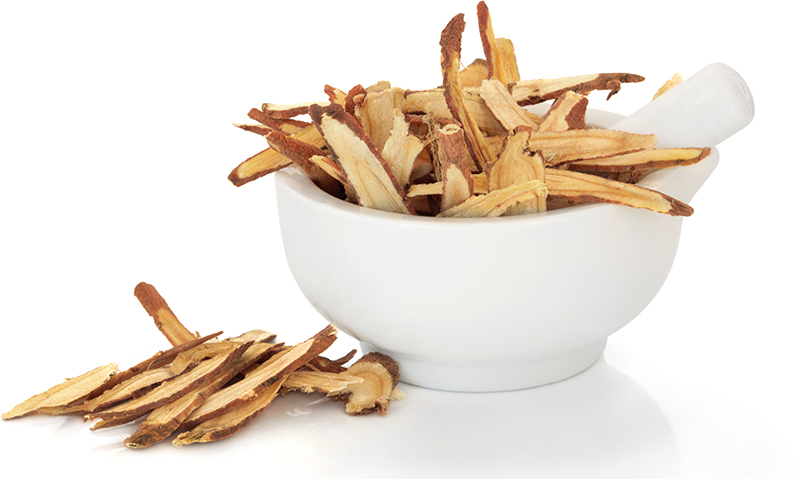
What is Licorice Root?
Licorice root, derived from the plant Glycyrrhiza glabra, is one of the world’s oldest and most versatile herbal remedies. Known for its naturally sweet flavor, licorice root has been used in traditional medicine systems across Asia, Europe, and the Middle East for thousands of years. Although many people associate licorice with candy, true licorice root has a long history as a medicinal herb rather than a confectionery ingredient. Its sweetness comes from glycyrrhizin, a compound that is up to 50 times sweeter than sugar and is responsible for many of the root’s health benefits.
Licorice root contains a rich profile of plant compounds, including flavonoids, polysaccharides, and phytoestrogens. These compounds give licorice its soothing, anti-inflammatory, and immune-supportive properties. Herbalists often use licorice root to support respiratory health, digestive comfort, adrenal balance, and general wellness. While it is a gentle herb for many people, it must also be used with caution due to its potent physiological effects when taken in concentrated form.
Historical Uses of Licorice Root
Licorice root has one of the longest documented histories of any medicinal plant. Ancient texts from Egypt, China, India, and Greece all describe its use in healing and maintaining wellness. In fact, licorice root was found in the tomb of King Tutankhamun, suggesting it was valued enough to be taken into the afterlife.
In Traditional Chinese Medicine (TCM), licorice root—known as Gan Cao—is considered a harmonizing herb. It is included in more formulas than any other herb because it helps balance and smooth the effects of other ingredients. TCM practitioners traditionally used licorice to ease coughing, soothe the throat, support digestion, and tonify the spleen and stomach.
In ancient Greece, Hippocrates used licorice root for respiratory complaints, believing it could help reduce hoarseness and irritation. Roman soldiers reportedly chewed licorice root during long marches to reduce thirst and support stamina. Ayurvedic practitioners used licorice to support adrenal function, nourish the lungs, and soothe inflammation throughout the body.
As trade expanded, licorice root spread across Europe, where it became a common remedy for sore throats, stomach discomfort, and fatigue. Over time, it was incorporated into syrups, tonics, and lozenges. Its sweet flavor also made it a useful ingredient for masking the bitterness of other medicines. Today, licorice root remains popular globally, both as a standalone herb and as a component in herbal blends.
What Forms Does Licorice Root Come In?
1. Dried Licorice Root
Dried slices or chopped pieces of licorice root are commonly used to make teas and decoctions. This is one of the most traditional methods of taking the herb, particularly for respiratory and throat support.
2. Licorice Root Tea
Tea bags or loose-leaf blends often include licorice root for its sweetness and soothing properties. It is commonly combined with herbs like ginger, peppermint, or marshmallow root.
3. Capsules and Tablets
Standardized licorice supplements offer consistent dosing and are often used for digestive support, adrenal health, or anti-inflammatory purposes.
4. Tinctures and Liquid Extracts
Liquid licorice extracts allow flexible dosing and quick absorption. Herbal practitioners frequently use these for respiratory comfort or adrenal support.
5. Deglycyrrhizinated Licorice (DGL)
DGL is a modified form of licorice root where most of the glycyrrhizin has been removed. It is considered safer for long-term use, especially for supporting digestive comfort or easing occasional heartburn.
6. Lozenges and Syrups
Licorice is commonly found in throat lozenges, cough syrups, and herbal candies due to its soothing qualities. These preparations often target throat irritation or dry coughing.
7. Licorice Essential Oil
While not as common as other forms, licorice essential oil is sometimes used externally in skincare products. It may help brighten the skin and reduce irritation.
Benefits and Uses of Licorice Root
1. Supports Respiratory Health
Licorice root is widely recognized for its ability to soothe the throat and support lung function. It acts as a demulcent, meaning it coats and calms irritated tissues. This makes it popular during seasonal discomforts or for those dealing with dry, irritated airways. Many respiratory formulas include licorice root to help ease coughing and promote comfort.
2. Aids Digestive Comfort
Licorice root has long been used to support digestive wellness. It may help soothe mild inflammation in the digestive tract, reduce occasional heartburn, and support overall gut balance. DGL licorice is especially popular for digestive support because it offers many of the benefits without the potential side effects of glycyrrhizin.
3. Supports Adrenal Health and Stress Balance
Licorice root is sometimes used to support the adrenal glands, which help regulate the body’s stress response. Herbal practitioners may recommend licorice for individuals experiencing fatigue or mild adrenal burnout. It is believed to help sustain healthy cortisol levels, contributing to better energy and resilience. However, because licorice can affect cortisol metabolism, this benefit requires careful dosing.
4. Anti-Inflammatory and Antioxidant Properties
The plant compounds in licorice root, especially flavonoids and glycyrrhizin, possess anti-inflammatory and antioxidant actions. These qualities may support the body’s natural response to inflammation and help protect cells from oxidative stress. This makes licorice a valuable herb for general wellness and immune support.
5. Hormonal and Menopause Support
Licorice contains phytoestrogens—plant-based compounds that have mild estrogen-like effects. These may support hormonal balance in some individuals, especially during menopause. Traditional herbalists have used licorice root to ease hot flashes and mood fluctuations. More research is needed, but early findings are promising.
6. Skin Health and Brightening
Licorice root extract is often used in skincare products because it can help brighten the skin and reduce the appearance of dark spots. Its anti-inflammatory effects may also help soothe irritated or sensitive skin.
7. Immune System Support
Due to its antimicrobial and antiviral properties, licorice root has been traditionally used to support the immune system. It may help promote resilience during times of seasonal stress.
Who Should Not Take Licorice Root
Although licorice root offers many benefits, it is not appropriate for everyone. Certain individuals should avoid it or use it only under professional supervision.
Individuals with High Blood Pressure: Glycyrrhizin can cause the body to retain sodium and lose potassium, potentially raising blood pressure. Those with hypertension should avoid regular licorice intake unless using DGL.
People with Heart Conditions: Because licorice affects electrolyte balance, it may worsen certain heart issues or interact with heart medications.
Individuals Taking Diuretics: Combining licorice with diuretics can increase the risk of potassium imbalance.
Pregnant Individuals: Licorice is not recommended during pregnancy due to potential hormonal effects.
Breastfeeding Individuals: Limited safety research means licorice supplements should be avoided unless directed by a healthcare professional.
Those Taking Corticosteroids: Licorice can interfere with cortisol metabolism and may amplify the effects of steroid medications.
People with Kidney Disease: Licorice may strain the kidneys when taken in significant amounts.
Licorice Root Facts
- Licorice root has been used medicinally for over 3,000 years.
- It is one of the most frequently used herbs in Traditional Chinese Medicine.
- Glycyrrhizin is responsible for its natural sweetness and many of its effects.
- DGL licorice is commonly used for digestive support because it removes most glycyrrhizin.
- Licorice was found in the tomb of King Tutankhamun.
- The plant’s name, Glycyrrhiza, means “sweet root” in Greek.
- Licorice root extract is widely used in natural skincare formulations.
Summary
Licorice root is a powerful and ancient herbal remedy with a long history of supporting respiratory health, digestion, immune balance, and stress resilience. Its naturally sweet flavor and broad therapeutic profile have made it a favorite in traditional medicine systems around the world. Licorice root comes in many forms—including teas, capsules, tinctures, and topical preparations—making it easy to incorporate into wellness routines.
However, because licorice root can significantly influence blood pressure, cortisol levels, and electrolyte balance, it must be used responsibly. Individuals with heart issues, high blood pressure, kidney concerns, or those taking certain medications should avoid licorice or use only DGL under professional guidance.
When used appropriately, licorice root is a valuable herb that offers soothing, balancing, and restorative benefits. Its long history and diverse applications make it one of the most respected botanicals in the world of natural wellness.
Licorice Root Tea Bags, Caffeine Free, 30 Tea Bags, 1.625 oz (46 g), Alvita Teas
Use Coupon Code: FREE
*Sorry, coupons can't be combined.