
Royal Jelly Benefits
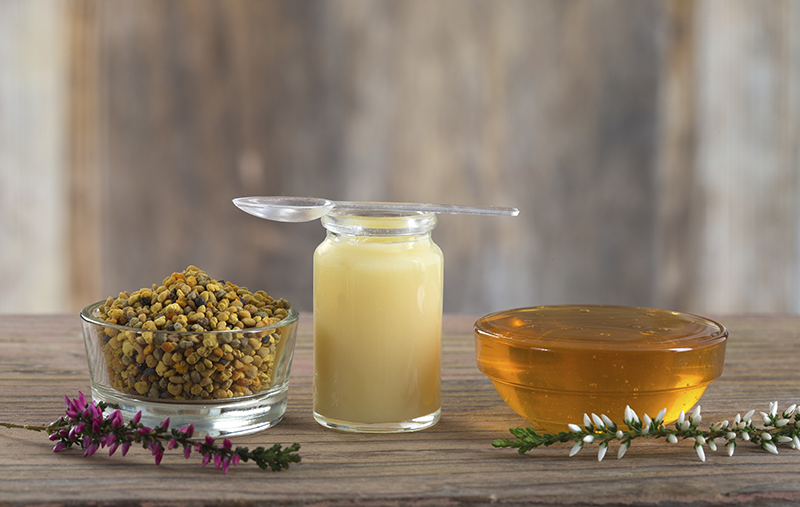
Royal Jelly is widely used as a dietary supplement and skincare ingredient, praised for its potential to support energy, immunity, skin health, and overall vitality. While it may sound exotic, Royal Jelly has a fascinating biological role and a growing body of research behind it. Understanding what it is, how it works, and who should or should not use it is essential before adding it to your wellness routine.
Royal Jelly is often described as a natural superfood because of its unique composition. It contains a blend of proteins, amino acids, fatty acids, vitamins, minerals, and bioactive compounds that are rarely found together in nature. One of its most notable components is 10-hydroxy-2-decenoic acid (10-HDA), a fatty acid unique to Royal Jelly that has been studied for its antimicrobial, anti-inflammatory, and immune-modulating properties.
Many people turn to Royal Jelly for energy and stamina support. Unlike caffeine-based stimulants, Royal Jelly is believed to nourish the body at a cellular level rather than simply masking fatigue. Some users report improved physical endurance, better mental clarity, and reduced feelings of burnout over time. This has made it popular among individuals dealing with chronic fatigue or high stress.
Royal Jelly is also frequently associated with immune support. Research suggests that its bioactive proteins and fatty acids may help modulate immune responses and protect against certain bacteria and pathogens. For people looking to naturally strengthen their immune defenses, Royal Jelly is often used during seasonal changes or periods of increased stress.
Another area where Royal Jelly shines is skin health. It has been shown to support collagen production, promote wound healing, and protect skin cells from oxidative stress. This explains its popularity in topical creams and serums, as well as its internal use for supporting skin elasticity, hydration, and a more youthful appearance.
Hormonal balance is another commonly discussed benefit. Royal Jelly contains compounds that may influence estrogen activity in the body. Some women use it to help manage menopausal symptoms such as hot flashes, mood changes, or fatigue, though results can vary widely from person to person.
There is also growing interest in Royal Jelly’s potential role in metabolic health. Some studies suggest it may help support healthy cholesterol levels and blood sugar balance, making it a point of interest for individuals focused on cardiovascular wellness.
What is Royal Jelly?
Royal Jelly is a milky, gelatinous substance produced by worker bees. It is secreted from glands in their heads and fed to all bee larvae for the first few days of life. What makes Royal Jelly remarkable is that the larvae destined to become queen bees are fed Royal Jelly exclusively throughout their development and for their entire lifespan.
This exclusive diet is what transforms an ordinary larva into a queen bee. Queens grow significantly larger, live dramatically longer, and develop fully functioning reproductive systems, while worker bees live only a fraction of that lifespan. This striking difference is what originally sparked human curiosity about Royal Jelly’s potential effects.
From a biochemical standpoint, Royal Jelly is about 60–70% water, but the remaining portion is densely packed with nutrients. It contains proteins known as major royal jelly proteins (MRJPs), free amino acids, B-complex vitamins (especially B5 and B6), trace minerals, enzymes, and unique fatty acids.
Fresh Royal Jelly is highly perishable, which is why it is often freeze-dried or stabilized for supplements. Its taste is typically described as tangy, slightly bitter, and acidic, which can be surprising to those trying it for the first time.
Historical Uses of Royal Jelly
Royal Jelly has a long history of use in traditional medicine, particularly in Asia and parts of the Middle East. Ancient cultures observed the extraordinary vitality of queen bees and associated Royal Jelly with longevity, fertility, and strength.
In traditional Chinese medicine, Royal Jelly was valued as a tonic to restore energy and support longevity. It was often reserved for emperors and the elite, believed to nourish the body’s vital essence and support reproductive health. It was also used to aid recovery from illness and to support aging individuals.
In ancient Egypt, Royal Jelly and other bee products were prized for both medicinal and cosmetic purposes. Bees were associated with divine power, and their products were used in balms, healing preparations, and skin treatments.
In Europe, Royal Jelly gained popularity in the mid-20th century when researchers began studying its biochemical properties more closely. It quickly became associated with vitality and anti-aging, particularly after reports surfaced of its use among royalty and political leaders.
Over time, Royal Jelly transitioned from a rare, almost mythical substance to a widely available supplement, though its reputation as a “royal” food has never quite faded.
Forms of Royal Jelly
Royal Jelly is available in several forms, each with its own advantages and considerations. Fresh Royal Jelly is considered the most potent but is highly perishable and requires refrigeration. It is often taken in very small amounts, typically under the tongue, because of its strong flavor and high concentration.
Freeze-dried Royal Jelly is one of the most common forms used in supplements. This process removes water while preserving most of the active compounds. It is often found in capsules, tablets, or powders and is more stable for long-term storage.
Royal Jelly can also be found blended with honey, which helps improve taste and shelf life. This form is popular for those who want a more palatable option and enjoy traditional preparations.
Topical forms of Royal Jelly are widely used in skincare products, including creams, masks, and serums. In these applications, it is valued for its moisturizing, soothing, and rejuvenating properties.
The form you choose often depends on your goals, sensitivity, and preference for taste and convenience.
Interactions: What Should not be taken with Royal Jelly?
While Royal Jelly is generally considered safe for many people, it can interact with certain medications and conditions. One of the most important considerations is its potential effect on blood pressure and blood clotting. Royal Jelly may enhance the effects of blood-pressure-lowering medications, which could lead to dizziness or hypotension in some individuals.
There is also some evidence that Royal Jelly may affect blood clotting mechanisms. People taking anticoagulant or antiplatelet medications should use caution, as combining these with Royal Jelly could theoretically increase bleeding risk.
Because Royal Jelly may influence hormone activity, particularly estrogen-like effects, individuals taking hormone-related medications should consult a healthcare professional before use. This includes those on hormone replacement therapy or medications that affect estrogen levels.
Royal Jelly’s immune-modulating effects may also interact with immunosuppressive drugs. While this interaction is not fully understood, caution is advised for individuals taking medications that dampen immune function.
Who Should Avoid Royal Jelly
Certain individuals should avoid Royal Jelly altogether. People with known allergies to bees, bee stings, honey, or other bee products are at the highest risk. Allergic reactions to Royal Jelly can be severe and may include asthma attacks, hives, swelling, or anaphylaxis.
Individuals with asthma appear to be particularly susceptible to adverse reactions, even without a known bee allergy. For this reason, many healthcare providers recommend that people with asthma avoid Royal Jelly unless under medical supervision.
Pregnant and breastfeeding individuals should also exercise caution. While Royal Jelly has a long history of traditional use, there is insufficient clinical evidence to confirm its safety during pregnancy and lactation.
Anyone with hormone-sensitive conditions, such as certain cancers or endometriosis, should consult a healthcare provider before using Royal Jelly due to its potential estrogen-like activity.
Fun Facts About Royal Jelly
- One of the most fascinating facts about Royal Jelly is that it is the sole reason queen bees are biologically different from worker bees, despite sharing the same genetic makeup. Diet alone determines their destiny.
- A queen bee can live up to five years, while worker bees typically live only a few weeks to a few months. This dramatic lifespan difference is one of the main reasons Royal Jelly is associated with longevity.
- Royal Jelly production is labor-intensive for bees. Thousands of worker bees are needed to produce a relatively small amount, which contributes to its value and cost.
- The unique fatty acid 10-HDA found in Royal Jelly is not present in any other natural substance, making it a key marker of authenticity and quality.
Conclusion
Royal Jelly is a remarkable substance that bridges the worlds of nature, tradition, and modern wellness. From its critical role in a queen bee’s life to its centuries-old use in traditional medicine, it has earned its reputation as a unique and powerful natural product.
Its potential benefits range from energy and immune support to skin health and hormonal balance, but it is not a one-size-fits-all supplement. Understanding its interactions, potential risks, and appropriate forms is essential for safe and effective use.
As with any supplement, quality matters. Sourcing Royal Jelly from reputable producers and consulting with a knowledgeable healthcare professional can help ensure it is used wisely. When approached thoughtfully, Royal Jelly can be a fascinating and potentially valuable addition to a holistic wellness routine—one that truly lives up to its royal name.
Beijing Royal Jelly w/ Bee Pollen – 30x10cc, Prince of Peace
Use Coupon Code: FREE
*Sorry, coupons can't be combined.