
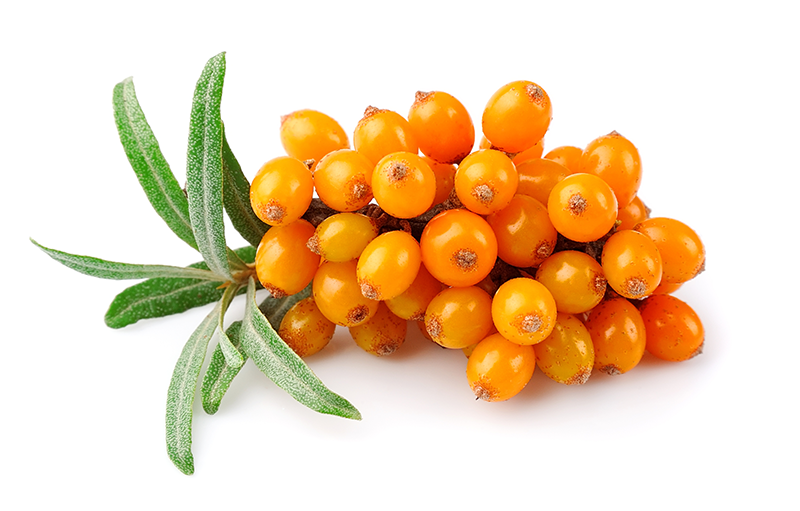
Sea Buckthorn Benefits, Uses and Interactions
Sea buckthorn is a bright orange berry from a hardy shrub that thrives in cold, windy climates and poor soils—yet it produces fruit packed with oils and nutrients that have made it famous in both traditional and modern wellness circles. You’ll see it in skincare, juices, powders, and supplements marketed for everything from “glow” to gut comfort. Some of that popularity comes from sea buckthorn’s unique oil profile (including omega-7) and its naturally high antioxidant content. Like most botanicals, though, the best results come from understanding what it is, which form you’re using, and who should be cautious—especially if you take medications that affect blood clotting or blood pressure. This guide covers sea buckthorn benefits, uses, forms, interactions, and safety considerations in a practical, easy-to-follow way.
Sea Buckthorn Benefits
Sea buckthorn is commonly used for skin and mucous membrane support. Many people take sea buckthorn oil or use it topically to help with dry skin, and it’s also popular for supporting dryness in areas like the eyes and mouth. A big reason is the plant’s fatty acid profile, including palmitoleic acid (often referred to as omega-7), plus omega-3, omega-6, and omega-9 fats depending on whether the oil is made from the seed or the fruit pulp.
Another often-cited benefit is antioxidant support. Sea buckthorn berries contain a mix of plant compounds such as carotenoids (which give the berries their orange color), tocopherols (vitamin E family), and various polyphenols. Antioxidants don’t act like a “magic shield,” but diets rich in colorful plant compounds are generally associated with better overall health patterns, and sea buckthorn is one of the more concentrated options when used as a juice or extract.
Sea buckthorn is also used for digestive comfort by some people, especially in traditional contexts where the berries and oils were used to support the stomach lining and general GI resilience. Modern interest in this area continues, but the real-world effect varies by person and by product quality, dose, and consistency.
Finally, sea buckthorn sometimes appears in cardiovascular and metabolic wellness discussions. This is often linked to its fatty acids and antioxidant profile, and to early research on lipids and inflammation markers. If you’re using sea buckthorn for heart or metabolic goals, it’s best viewed as a supportive food or supplement—not a replacement for medical care, nutrition basics, or prescribed treatment.
What is Sea Buckthorn?
Sea buckthorn commonly refers to Hippophae rhamnoides, a thorny shrub native to parts of Europe and Asia. The plant produces small, vivid orange berries with a tart, citrus-like flavor. Unlike many berries, sea buckthorn is notable for containing significant oils in both the seeds and the fruit pulp. That’s why it shows up in oil supplements and skincare more than most berry fruits.
Sea buckthorn products may be made from the whole berry, the juice, a dried powder, a seed oil, or a pulp (fruit) oil. These are not interchangeable. Seed oil and pulp oil differ in fatty acid ratios, and juices/powders differ in sugar, acidity, and fiber content. Understanding which part of the plant you’re using is one of the biggest keys to getting the benefits you want.
Historical Uses of Sea Buckthorn
Sea buckthorn has a long history of use in traditional health systems across regions where it grows naturally. In parts of Central and East Asia, it has been used as a food, a tea ingredient, and a topical oil. Traditional uses often focused on supporting the skin, digestion, and general vitality—especially in harsh climates where nutrient-dense plant foods were valuable.
It also has a reputation in traditional veterinary and agricultural settings, where the plant was valued as a resilient crop and sometimes used to support animal health and coat condition. Over time, sea buckthorn moved from regional traditional use into broader commercial production, and it’s now cultivated and processed into standardized oils, juices, and cosmetic ingredients.
Forms of Sea Buckthorn
Sea buckthorn is available in many forms, and each has different practical uses. Choosing the right one helps avoid disappointment (or stomach upset) and makes it easier to use consistently.
Sea buckthorn juice: Often tart and acidic, sometimes blended with other fruit juices to improve taste. Juice provides plant compounds like carotenoids and polyphenols, but it can also contain added sugars depending on the brand. Because it’s acidic, it may bother sensitive stomachs or reflux-prone people.
Dried powder: Made from dehydrated berries. Powders can be mixed into smoothies or yogurt. The flavor is tangy and can be strong. Powders vary in quality and concentration, so it helps to buy from reputable brands that test for contaminants.
Seed oil: Typically higher in omega-3 and omega-6 fats relative to the pulp oil (exact ratios vary by product). Often used internally as softgels or liquid oil for general fatty-acid support.
Fruit (pulp) oil: Often richer in palmitoleic acid (omega-7) and carotenoids, giving it a deeper orange-red color. Frequently used for skin and dryness support and is common in skincare formulations.
Topical skincare products: Creams, serums, balms, and soaps may include sea buckthorn oil. Because it can be intensely pigmented, it may temporarily tint very light skin if applied heavily, and it can stain fabrics.
Capsules/softgels: Convenient for consistent dosing and a common choice for people using sea buckthorn oil for dryness support. Check whether it’s seed oil, pulp oil, or a blend.
Interactions: What Should not be taken with Sea Buckthorn?
Sea buckthorn is generally considered food-like when consumed as a berry or juice, but concentrated extracts and oils can behave more like supplements. Interactions are more likely at higher doses, with daily use, or in people taking medications affected by bleeding risk, blood pressure, or blood sugar.
Blood thinners and antiplatelet medications: Sea buckthorn is sometimes discussed as having a potential effect on clotting or platelet activity. Because of that, if you take anticoagulants (like warfarin) or antiplatelet drugs (like clopidogrel), or you use daily aspirin under medical direction, talk to your clinician before starting sea buckthorn oil supplements. The risk is not guaranteed, but it’s the kind of interaction you don’t want to guess about.
Blood pressure medications: Some people use sea buckthorn for cardiovascular support, and there is interest in how it may affect blood pressure in certain contexts. If you already take antihypertensive medication, monitor blood pressure and discuss with your clinician if adding any new supplement that could influence vascular function.
Diabetes medications: Botanicals that influence metabolism or inflammation can sometimes change blood sugar responses in certain people. If you use glucose-lowering medications, monitor your blood sugar more closely when starting a new supplement and stop if you see unexpected lows.
Immunosuppressants or complex medical regimens: If you’re on transplant medications, chemotherapy, or other complex regimens, avoid adding supplements without professional guidance. Even if a supplement seems “natural,” it can still influence absorption, metabolism, or lab values.
Surgery and procedures: Because of potential clotting considerations and the general recommendation to pause supplements before surgery, ask your surgical team about stopping sea buckthorn oil in advance of procedures.
Stomach-acid sensitivity and reflux considerations: This isn’t a medication interaction, but it is a common issue. Sea buckthorn juice is tart and acidic and may aggravate reflux or sensitive stomachs. If you’re prone to heartburn, consider capsules or oils instead of juice, or use a diluted, small serving with food.
Who Should Avoid Sea Buckthorn
Many people can use sea buckthorn as a food or supplement without trouble, but certain groups should be cautious or avoid it unless cleared by a clinician.
People on blood thinners or with bleeding disorders: Because of potential effects on clotting/platelets, this is the biggest caution category for concentrated sea buckthorn supplements.
People scheduled for surgery: It may be safest to stop sea buckthorn supplements ahead of surgery, based on your clinician’s instructions.
Pregnant or breastfeeding individuals: Food amounts are one thing, but supplements are another. There isn’t always enough high-quality safety data for concentrated oils during pregnancy or breastfeeding, so consult a clinician.
People with low blood pressure or on multiple BP meds: If your blood pressure runs low or you’re on several medications, be careful with supplements that may influence vascular tone.
People with sensitive digestion or reflux: Juice and concentrated berry products can be very tart. If you get heartburn easily, start with small amounts or choose an oil capsule instead.
Anyone with known berry or plant allergies: Allergic reactions are not common, but they can happen. If you have a history of reactions, start cautiously or avoid.
Fun Facts About Sea Buckthorn
Sea buckthorn berries are famously difficult to harvest because the shrubs are thorny and the berries cling tightly to branches. In some regions, harvesting involves freezing branches and shaking off the berries, which helps preserve nutrients and makes the process faster.
The vivid orange color comes largely from carotenoids—the same family of pigments found in carrots and pumpkins. That color is also why sea buckthorn oil can stain clothing, towels, and pillowcases if applied topically and not fully absorbed.
Another fun detail: sea buckthorn is sometimes called a “coastal” plant because it can tolerate salty air and harsh winds. It’s often used in soil stabilization and land reclamation projects, which is a rare “bonus job” for a plant that also produces a commercially valuable berry.
Conclusion
Sea buckthorn is a unique berry-based botanical that stands out for its combination of antioxidants and oils. It’s widely used for skin and dryness support, and it’s also enjoyed in juices and powders for its bright, tangy flavor and nutrient density. The most important practical takeaway is to choose the form that fits your goal: berry juice or powder for general plant compounds, seed oil or pulp oil for fatty-acid support, and topical formulations for skin-focused use.
Because concentrated sea buckthorn oils may influence bleeding risk and potentially affect blood pressure or blood sugar in some people, it’s wise to be cautious if you take blood thinners, antihypertensives, or diabetes medications, or if you’re preparing for surgery. Used thoughtfully, sea buckthorn can be a valuable addition to a wellness routine—especially for people looking for nutritional support for skin and mucous membranes—while still respecting the same common-sense supplement safety rules that apply to any potent botanical.
Omega-7 Sea Buckthorn Fruit Oil, 60 Softgels, Source Naturals
Vitamin C & Sea Buckthorn Moisturizer – 2 fl. oz., NOW Foods
Use Coupon Code: FREE
*Sorry, coupons can't be combined.