
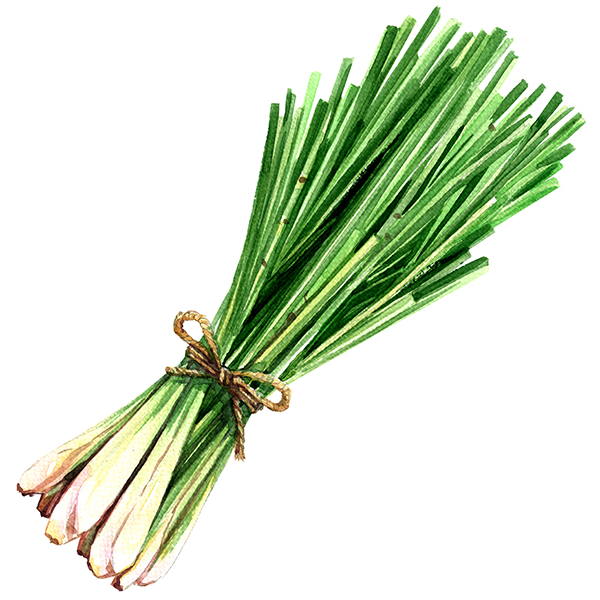
What is Lemongrass?
Lemongrass, known scientifically as Cymbopogon citratus and Cymbopogon flexuosus, is a tall, aromatic grass widely used in culinary traditions, natural medicine, and aromatherapy. It is native to tropical regions of Asia, particularly India, Sri Lanka, and Thailand, where it thrives in warm climates and nutrient-rich soil. Known for its lemony fragrance and subtle earthy undertones, lemongrass has a refreshing aroma that distinguishes it from other citrus-scented herbs.
Although it resembles common grasses in appearance, lemongrass contains essential oils—most notably citral—that make it a valuable plant for both flavoring and wellness applications. The long, slender stalks are commonly used in soups, teas, and broths, especially in Southeast Asian cooking. Beyond its culinary appeal, lemongrass is prized for its soothing, antimicrobial, and antioxidant qualities, which have earned it a respected place in Ayurvedic and traditional medicine.
Today, lemongrass is cultivated around the world and is a staple in herbal teas, essential oil blends, and dietary supplements. It is frequently used as a natural approach to support digestion, provide calming effects, and promote overall well-being. Its bright, clean scent also makes it a favorite in homemade and commercial skincare and household products.
Historical Uses of Lemongrass
Lemongrass has a deep-rooted history in traditional healing systems across Asia, Africa, and the Caribbean. In Ayurvedic medicine—one of the world’s oldest holistic health practices—lemongrass was used to help balance the body’s systems, improve digestion, and support detoxification. Practitioners believed the herb encouraged healthy circulation and cooling in the body, making it useful in hot climates.
In ancient India, lemongrass tea was often brewed to help with fevers, digestive discomfort, and inflammation. The plant was also used in steam inhalation rituals to support respiratory health. Its essential oil was historically extracted to produce natural insect repellents, perfumes, and medicinal balms.
In Southeast Asia, lemongrass became a culinary and medicinal staple. Thai, Vietnamese, and Indonesian cultures used the stalks to flavor soups, curries, and teas. Traditional healers incorporated lemongrass into poultices and compresses for sore muscles, headaches, and skin irritations. Its antimicrobial properties made it useful for disinfecting wounds and treating fungal issues.
African and Caribbean herbalists also adopted lemongrass after it spread through trade routes. It was used in folk medicine as a calming tea, a remedy for stomach issues, and an ingredient in ceremonial cleansing rituals. Throughout history, this simple grass has been valued not just for flavor, but for its supportive and balancing effects on physical and emotional health.
What Forms Does Lemongrass Come In?
1. Fresh Lemongrass Stalks
These are commonly used in cooking. The lower white portion of the stalk is the most aromatic and flavorful. Fresh stalks can be minced, bruised, or simmered whole in broths.
2. Dried Lemongrass
Dried cut leaves are often used in teas or herbal blends. They retain their fragrance and offer many of the same benefits as fresh lemongrass.
3. Lemongrass Tea
Tea bags or loose-leaf blends make it easy to enjoy lemongrass as a calming beverage. It is often combined with ginger, mint, or citrus herbs.
4. Essential Oil
Lemongrass essential oil is widely used in aromatherapy for its energizing and cleansing scent. It should not be ingested unless labeled for internal use and approved by a healthcare provider.
5. Capsules and Tablets
Standardized supplements provide a consistent dose of key compounds and are often used for digestive support, immunity, or general wellness.
6. Tinctures and Liquid Extracts
These allow flexible dosing and quick absorption. Drops can be added to water or tea.
7. Topical Creams and Ointments
Lemongrass is used in skincare for its antibacterial, toning, and refreshing qualities. It appears in soaps, lotions, balms, and natural deodorants.
8. Hydrosol
Lemongrass hydrosol, a byproduct of essential oil distillation, is used as a gentle facial toner, room spray, or cooling mist.
Benefits and Uses of Lemongrass
1. Supports Digestive Health
Lemongrass is widely used to soothe digestive discomfort. It may help ease bloating, gas, and mild nausea. Many people enjoy lemongrass tea after meals to support digestion.
2. Natural Stress Relief and Relaxation
The scent and flavor of lemongrass have calming qualities. Many use it to support relaxation, reduce stress, and quiet the mind.
3. Antimicrobial and Antifungal Properties
Lemongrass essential oil is known for its ability to inhibit bacteria, fungi, and other microorganisms. This makes it useful both internally (as tea) and externally (in skincare).
4. Anti-Inflammatory Effects
Studies suggest lemongrass may help reduce inflammation, which can support joint comfort, muscle recovery, and overall wellness.
5. Natural Diuretic
Lemongrass tea may encourage healthy fluid balance, which can temporarily ease bloating or puffiness.
6. Immune System Support
The antioxidants and antimicrobial compounds in lemongrass may help support immune function, especially during seasonal changes.
7. Supports Healthy Cholesterol Levels
Early research suggests lemongrass may help maintain cholesterol levels already within a healthy range.
8. Aromatherapy for Energy and Focus
In essential oil form, lemongrass is often used to boost mental clarity, reduce fatigue, and freshen indoor spaces.
Who Should Not Take Lemongrass
While lemongrass is gentle for most people, certain individuals should avoid or limit its use.
Pregnant Women: High doses or concentrated supplements may not be safe and should be avoided unless advised by a healthcare provider.
Breastfeeding Individuals: There is limited safety research, so supplements and oils should be used cautiously.
Individuals with Kidney Disorders: Due to its diuretic effects, lemongrass may place additional strain on the kidneys.
People Taking Sedatives: Lemongrass may enhance the effects of sedative medications, causing excess drowsiness.
People with Grass Allergies: Those with strong grass sensitivities may experience irritation when using lemongrass.
Children (Concentrated Forms): Essential oils and supplements are too potent for children unless supervised by a healthcare provider.
Lemongrass Facts
- Lemongrass is a major ingredient in Thai, Vietnamese, and Indonesian cooking.
- The plant can grow up to six feet tall under ideal conditions.
- Lemongrass essential oil is often used in natural insect repellents.
- It contains citral, giving it a strong lemon scent despite not being citrus.
- The herb is often found in herbal detox teas.
- It has a long history in Ayurvedic medicine as a cooling herb.
- Steam inhalation with lemongrass is traditionally used to support respiratory health.
Lemongrass is Refreshing!
Lemongrass is a versatile herb with a refreshing citrus aroma and a long history of culinary and medicinal use. It has been valued for centuries in Ayurvedic and traditional healing practices, supporting digestion, relaxation, and overall vitality. Modern supplements, teas, essential oils, and topical preparations make it easy to incorporate lemongrass into daily wellness routines.
Although lemongrass is generally safe, it should be used responsibly—especially by pregnant individuals, those with kidney disorders, or people taking sedatives. With mindful use, lemongrass remains a powerful and uplifting herb that supports both physical and emotional well-being.
Dr. Bronner’s Magic Soaps Organic Shikakai Lemongrass Lime Body Soap – 24 oz.
Use Coupon Code: FREE
*Sorry, coupons can't be combined.