
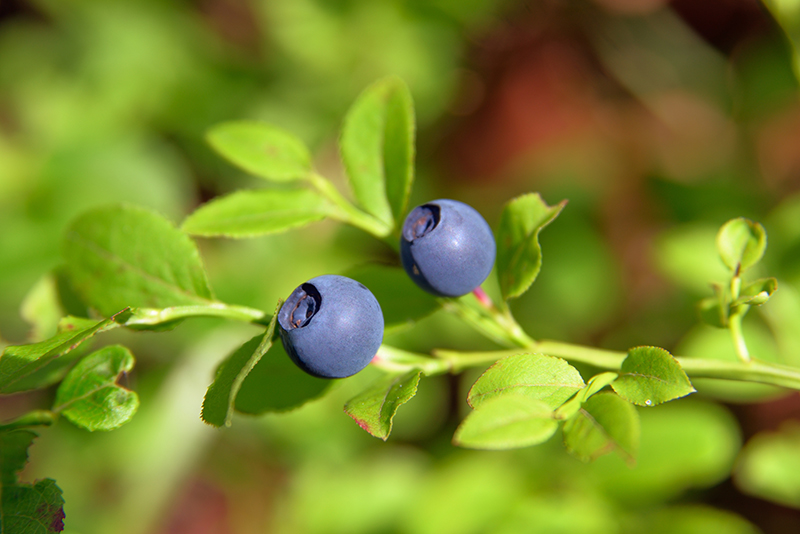
The Amazing Antioxidant Qualities of the Bilberry Leaf
There are many benefits of bilberry leaves, so let’s go over their various uses, the forms in which they can be consumed, guidance on their consumption, and important considerations for certain individuals. In the realm of natural remedies and herbal supplements, the bilberry plant, specifically its leaves, has emerged as a hidden gem with many health benefits. Often overshadowed by its more famous counterpart, the bilberry fruit, bilberry leaves possess unique properties that make them an invaluable addition to the natural health toolkit.
Bilberry Leaf Benefits
Bilberry leaves are rich in antioxidants, particularly anthocyanins, which are known for their ability to fight free radicals and reduce oxidative stress. This antioxidant capacity contributes to several health benefits, including improved vision, enhanced blood circulation, and reduced inflammation. Research suggests that bilberry leaves may help manage blood sugar levels, making them a topic of interest for individuals with diabetes. The leaves have also been traditionally used to treat gastrointestinal issues and enhance urinary tract health.
The anti-inflammatory properties of bilberry leaves can benefit individuals suffering from conditions like arthritis or inflammatory bowel disease (IBD). Moreover, their potential to improve capillary health and elasticity means they can support cardiovascular health by promoting better blood flow and reducing the risk of blood vessel-related conditions.
Bilberry Leaf Uses
Traditionally, bilberry leaves have been used in various cultures for their medicinal properties. Bilberry leaf is known to aid in treating diarrhea, scurvy, and other digestive issues. Due to their ability to influence blood sugar levels, they have been utilized in folk medicine as a natural remedy for diabetes. The leaves’ astringent properties make them useful in treating mouth and throat inflammations when used as a gargle.
In contemporary herbal medicine, bilberry leaves are employed to support eye health, particularly in conditions such as night blindness and retinopathy. They are also recommended for people looking to enhance their cardiovascular health, manage their blood sugar levels, or seek natural anti-inflammatory agents.
What Forms Does Bilberry Leaf Come In?
Bilberry leaf supplements are available in several forms, catering to various preferences and needs:
- Extracts: Liquid extracts or tinctures are concentrated forms of bilberry leaf and are popular for their ease of absorption and dosage flexibility.
- Pills/Capsules: Bilberry leaf supplements in pill or capsule form are widely available for those who prefer a more convenient and taste-neutral option.
- Tea: Bilberry leaf tea is a traditional method of consumption that offers health benefits and provides a soothing and aromatic experience.
- Powders: Dried and powdered bilberry leaves can be added to smoothies, juices, or even food, offering a versatile way to incorporate this herb into your diet.
How to Take Bilberry Leaf
The method of taking bilberry leaf largely depends on the form in which it is consumed. For extracts and tinctures, following the recommended dosage on the product label or consulting a healthcare provider is crucial, as concentrations can vary significantly between products. Pills and capsules should be taken according to the instructions provided, typically with water and possibly with food, to minimize potential gastrointestinal discomfort.
When enjoying bilberry leaf tea, steeping 1-2 teaspoons of dried leaves in hot water for about 10 minutes is generally recommended. This can be adjusted based on personal taste preferences and desired strength. If using powdered bilberry leaf, start with smaller amounts and gradually increase to find the right balance for your dietary needs.
Who Should Not Take Bilberry Leaf
While bilberry leaf is safe for most people when consumed in moderate amounts, certain individuals should exercise caution or avoid it altogether:
- Pregnant and breastfeeding women: There is insufficient research on the safety of bilberry leaf during pregnancy and lactation. It is best to err on the side of caution and avoid use.
- Individuals on diabetes medication: Given its potential to lower blood sugar levels, bilberry leaf might interact with diabetes medications, leading to hypoglycemia. Monitoring and consultation with a healthcare provider are essential.
- People taking blood thinners: Due to its potential effect on blood clotting, bilberry leaf could interact with anticoagulant and antiplatelet drugs, increasing the risk of bleeding.
- Those scheduled for surgery: Due to its effects on blood sugar and clotting, it’s advisable to stop taking bilberry leaf at least two weeks before planned surgeries to avoid complications.
Bilberry leaves offer a range of health benefits, from improving eye health and blood circulation to managing blood sugar levels and providing anti-inflammatory effects. Available in various forms, they can be conveniently incorporated into one’s health regimen. However, as with any herbal supplement, it’s important to consider individual health conditions and consult a healthcare professional to ensure it’s a safe and beneficial addition to your wellness journey. Whether you’re exploring natural remedies for specific health concerns or seeking to enhance your overall well-being, bilberry leaf presents a promising and versatile option.
Bilberry Tea Bags, Caffeine Free, 24 Tea Bags, 1.44 oz (41 g), Alvita Teas
Use Coupon Code: FREE
*Sorry, coupons can't be combined.