
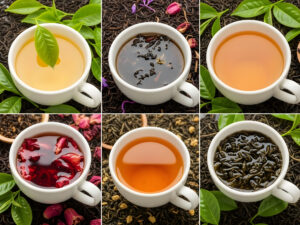
Best Herbal Teas for Digestion, Relaxation and Everyday Wellness
Herbal tea is one of the simplest ways to add comforting herbs to your daily routine. Whether you enjoy a warm cup after dinner, a caffeine-free drink before bed, or a soothing tea during a busy day, herbal teas offer flavor, tradition, and everyday wellness support.
Unlike black tea or green tea, most herbal teas are naturally caffeine-free because they are made from herbs, flowers, roots, seeds, fruits, or spices instead of traditional tea leaves. That makes them a popular choice for people who want a gentle drink they can enjoy morning, afternoon, or evening.
This guide covers some of the best herbal teas, including teas often used for digestion, relaxation, seasonal wellness, and daily comfort.
What is Herbal Tea?
Herbal tea is an infusion made by steeping plant parts in hot water. These plant parts may include leaves, flowers, roots, bark, seeds, berries, or spices. Common examples include peppermint tea, chamomile tea, ginger tea, lemon balm tea, rooibos tea, hibiscus tea, and fennel tea.
Technically, herbal tea is not “true tea” unless it comes from the Camellia sinensis plant, which is used to make black, green, white, and oolong tea. Herbal teas are often called tisanes, although most people simply call them herbal teas.
Herbal teas can be enjoyed plain, blended with other herbs, or flavored with honey, lemon, cinnamon, or fruit. Each herb has its own taste, aroma, and traditional use.
Best Herbal Teas for Digestion
Many people drink herbal tea after meals because warm liquids can feel soothing and comforting. Some herbs are especially popular in digestive tea blends.
Peppermint tea is one of the most common herbal teas for digestive comfort. It has a cool, refreshing flavor and is often enjoyed after meals. Peppermint tea may not be the best choice for everyone, especially people who are sensitive to reflux, because peppermint can relax the lower esophageal sphincter in some people.
Ginger tea has a warm, spicy flavor and is often used when the stomach feels unsettled. Ginger is popular in teas, capsules, candies, and digestive formulas.
Fennel tea has a light licorice-like flavor and has traditionally been used after meals. It is commonly found in digestive tea blends along with peppermint, ginger, anise, or licorice root.
Licorice root tea is naturally sweet and is often used in soothing herbal tea blends. However, licorice root is not appropriate for everyone. People with high blood pressure, kidney concerns, heart conditions, or those taking certain medications should ask a healthcare professional before using licorice root regularly.
Best Herbal Teas for Relaxation
Herbal teas are also popular as part of an evening routine. Many people enjoy a warm cup of tea before bed or during quiet time because the ritual itself can feel relaxing.
Chamomile tea is one of the most familiar bedtime teas. It has a soft, floral flavor and is commonly used in relaxation tea blends.
Lemon balm tea has a mild lemony flavor and is often used in calming herbal blends. It pairs well with chamomile, lavender, and peppermint.
Lavender tea has a strong floral aroma and is often used in relaxation blends. Because lavender can be bold, it is commonly blended with milder herbs instead of used alone.
Passionflower tea is another herb often found in nighttime tea blends. It has an earthy taste and is usually combined with other calming herbs.
Best Herbal Teas for Everyday Wellness
Some herbal teas are less about a specific purpose and more about enjoying a flavorful, caffeine-free drink as part of a healthy routine.
Rooibos tea is naturally caffeine-free and has a smooth, slightly sweet flavor. It is often used as a caffeine-free alternative to black tea because it has a fuller body than many herbal teas.
Hibiscus tea has a bright red color and a tart, fruity flavor. It can be enjoyed hot or iced and is often blended with rose hips, berries, or citrus flavors.
Elderberry tea is popular during the colder months and is commonly included in seasonal wellness blends. It is often paired with echinacea, rose hips, ginger, or cinnamon.
Dandelion tea has an earthy, slightly bitter flavor. Roasted dandelion root tea is sometimes used as a caffeine-free coffee alternative because it has a deeper, roasted taste.
Herbal Tea vs. Green Tea
Herbal tea and green tea are not the same. Green tea comes from the tea plant and naturally contains caffeine. Herbal tea is made from other plants and is usually caffeine-free, although shoppers should always check the label.
Green tea is often chosen for antioxidants and a gentle caffeine lift. Herbal tea is often chosen for flavor, comfort, digestion, relaxation, or evening use.
Both can be part of a wellness routine, but they serve different purposes. If you are avoiding caffeine, herbal tea is usually the better option.
How to Choose the Best Herbal Tea
The best herbal tea depends on what you want from it. For a soothing after-meal tea, peppermint, ginger, and fennel are popular choices. For a bedtime routine, chamomile, lemon balm, lavender, and passionflower are common options. For daily sipping, rooibos, hibiscus, and fruit-based herbal teas are flavorful and easy to enjoy.
It is also helpful to consider taste. Some herbs are naturally sweet, some are floral, some are earthy, and some are spicy. If you are new to herbal tea, a blended tea may be easier to enjoy than a single-herb tea.
Always read the ingredient label, especially if you have allergies, take medications, are pregnant or nursing, or have a medical condition. Natural products can still have strong effects, and some herbs are not right for everyone.
Are Herbal Teas Caffeine-Free?
Most herbal teas are naturally caffeine-free, but not every product labeled as tea is caffeine-free. Some blends may include green tea, black tea, yerba mate, guarana, or other naturally caffeinated ingredients.
If you want a caffeine-free tea, look for labels that specifically say “caffeine-free” or check the ingredient list to make sure the blend does not include caffeinated tea leaves or stimulant herbs.
Can You Drink Herbal Tea Every Day?
Many people enjoy herbal tea daily. Simple herbal teas such as chamomile, peppermint, ginger, rooibos, and hibiscus are common everyday choices. However, it is smart to rotate teas and avoid overusing strong herbs unless a healthcare professional has told you they are appropriate for you.
Some herbs may interact with medications or may not be recommended for certain health conditions. For example, licorice root may affect blood pressure, peppermint may bother reflux, and some herbs may not be suitable during pregnancy.
When in doubt, choose gentle teas and ask a healthcare professional if you plan to drink a strong herbal tea every day.
Fun Facts About Herbal Tea
Herbal tea has been used around the world for thousands of years. Many traditional tea blends were originally created from local plants that were easy to gather, dry, and steep.
Another fun fact: rooibos only grows naturally in one region of South Africa. Its smooth flavor and natural caffeine-free profile have made it popular around the world.
Hibiscus tea is another colorful favorite. Its deep red color comes from natural plant pigments, and it is often enjoyed iced in warm climates.
Popular Herbal Tea Ingredients
Some of the most popular herbal tea ingredients include chamomile, peppermint, ginger, lemon balm, hibiscus, rooibos, fennel, licorice root, dandelion root, elderberry, echinacea, rose hips, lavender, and passionflower.
Many tea blends combine several herbs to create a more balanced flavor. For example, a digestive tea may combine peppermint, fennel, and ginger. A relaxation tea may combine chamomile, lemon balm, and lavender. A seasonal tea may combine elderberry, echinacea, rose hips, and ginger.
A Great Way to Relax
Herbal tea is a simple, comforting way to enjoy herbs as part of your daily routine. From peppermint and ginger for after-meal comfort to chamomile and lemon balm for evening relaxation, there are many herbal teas to choose from.
The best herbal tea depends on your taste, your wellness goals, and your personal health needs. Always read labels carefully, especially if you take medications, are pregnant or nursing, or have a medical condition.
Whether you prefer floral, minty, spicy, fruity, or earthy flavors, herbal tea can be a pleasant addition to everyday wellness.
Use Coupon Code: FREE
*Sorry, coupons can't be combined.