
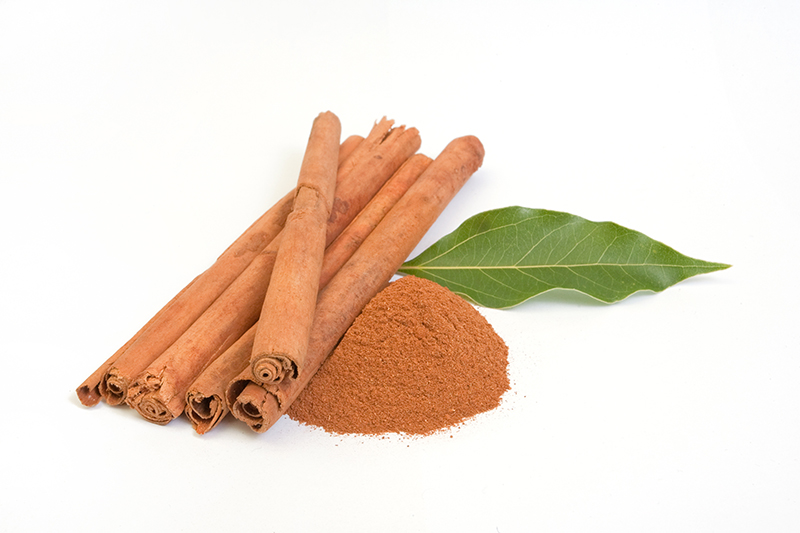
Cinnamon is one of the most recognizable spices in the world. It is sweet, warm, and familiar in everything from oatmeal and tea to baked goods and seasonal recipes. Cinnamon supplements are also popular with people interested in blood sugar support, metabolism, antioxidants, and general wellness.
Even though cinnamon feels gentle because it is so common in food, supplement amounts can be much stronger. Cinnamon also comes in different types, and some forms contain more coumarin, a natural compound that may matter for liver health. This guide covers cinnamon benefits, types, forms, interactions, and safety considerations.
Cinnamon Benefits
Cinnamon is often used for blood sugar and metabolism support. Many people take cinnamon supplements as part of a healthy eating and exercise routine, especially when they are trying to support balanced wellness habits.
Cinnamon also contains natural antioxidant compounds. Antioxidants help the body manage oxidative stress, which is one reason cinnamon is often included in general wellness formulas.
Cinnamon may also support digestive comfort for some people. Traditionally, warming spices like cinnamon were used after meals and in teas because they were thought to support digestion and comfort.
What is Cinnamon?
Cinnamon comes from the inner bark of trees in the Cinnamomum family. The bark is dried and rolled into sticks or ground into powder. It can also be made into capsules, tablets, extracts, teas, and essential oils.
There are two main types shoppers may see: cassia cinnamon and Ceylon cinnamon. Cassia cinnamon is common and has a stronger, spicier flavor. Ceylon cinnamon is sometimes called “true cinnamon” and has a softer, sweeter flavor.
One important difference is coumarin content. Cassia cinnamon usually contains more coumarin than Ceylon cinnamon. This does not usually matter when cinnamon is used casually in food, but it can matter with high-dose or long-term supplement use.
Historical Uses of Cinnamon
Cinnamon has been valued for thousands of years. It was once considered a luxury spice and was traded across long distances. Ancient cultures used cinnamon in food, incense, perfumes, and traditional wellness preparations. Cinnamon was especially prized because of its strong aroma and ability to flavor foods without needing much. It became a popular ingredient in warming drinks, spiced desserts, and traditional herbal blends. Today, cinnamon remains both a kitchen spice and a supplement ingredient. It is commonly found in blood sugar support formulas, metabolism blends, teas, and antioxidant products.
Forms of Cinnamon
- Cinnamon comes in several forms. Each form can vary in strength and purpose.
- Cinnamon powder is the common kitchen form. It can be added to food, drinks, oatmeal, smoothies, and baked goods.
- Cinnamon capsules and tablets are used by people who want a measured supplement amount without adding cinnamon to food.
- Cinnamon extracts are concentrated and may be used in supplement formulas. These can be stronger than regular cinnamon powder.
- Cinnamon tea is a gentle and traditional way to enjoy cinnamon. It may be used alone or blended with other warming herbs and spices.
- Cinnamon essential oil is very concentrated and should not be used casually. It can irritate the skin and should only be used according to product directions.
Interactions: What Should Not Be Taken with Cinnamon?
Cinnamon supplements may interact with medications, especially when used in large or concentrated amounts. People taking diabetes medications should be cautious because cinnamon may affect blood sugar. Combining cinnamon supplements with insulin or other blood sugar medications could increase the chance of blood sugar going too low. People with liver disease should be cautious, especially with cassia cinnamon supplements, because cassia cinnamon may contain higher levels of coumarin. Long-term or high-dose use may be more concerning for sensitive people. People taking medications that affect the liver should ask a healthcare provider before using cinnamon supplements. This is especially important if the supplement uses cassia cinnamon or does not clearly state the type. People taking blood thinners should also ask before using cinnamon supplements, especially high-dose cassia cinnamon products.
Who Should Avoid Cinnamon Supplements?
- Some people should avoid cinnamon supplements or use them only with medical guidance.
- People with liver disease should be especially cautious with cassia cinnamon supplements.
- People taking diabetes medications should ask a healthcare provider before using cinnamon regularly in supplement amounts.
- People taking blood thinners or medications that affect clotting should check with a doctor or pharmacist before using cinnamon supplements.
- Pregnant or breastfeeding women should avoid high-dose cinnamon supplements unless approved by a healthcare professional. Cinnamon used in normal food amounts is different from concentrated supplement use.
- People with cinnamon allergies, mouth irritation, or skin reactions should avoid cinnamon products that trigger symptoms.
Fun Facts About Cinnamon
Cinnamon sticks are actually curled pieces of dried tree bark. As the bark dries, it naturally rolls into the familiar stick shape.
Another fun fact: cinnamon was once so valuable that it was considered a luxury trade item. Today it is easy to find, but for much of history, cinnamon was rare, expensive, and highly prized.
Conclusion
Cinnamon is a beloved spice with a long history in food, traditional wellness, and modern supplements. It is commonly used for blood sugar support, antioxidant support, metabolism formulas, and digestive comfort.
The main safety issue with cinnamon supplements is that supplement amounts can be much stronger than food amounts. Cassia cinnamon may contain higher levels of coumarin, which may be a concern for people with liver disease or those using high-dose cinnamon long term.
If you take diabetes medications, blood thinners, liver-related medications, or have a medical condition, ask a healthcare professional before using cinnamon supplements. Used thoughtfully, cinnamon can be a warm and useful addition to a wellness routine.
Use Coupon Code: FREE
*Sorry, coupons can't be combined.