
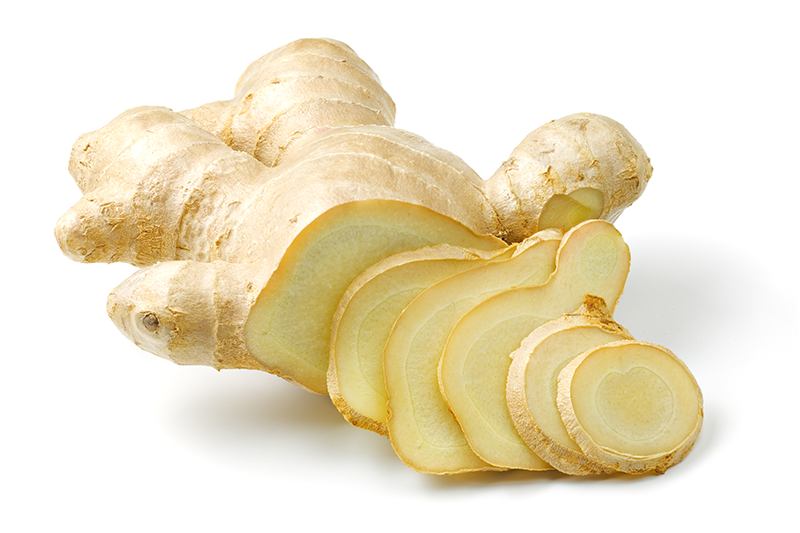
Ginger is a warm, spicy root that has been used in food and traditional wellness practices for generations. Many people know ginger from ginger tea, ginger ale, stir-fries, baked goods, and holiday recipes, but ginger supplements are also popular for digestion, nausea support, and everyday comfort. Ginger is generally well known and widely used, but concentrated supplements can be stronger than culinary amounts. This guide covers ginger benefits, traditional uses, common forms, possible interactions, and who should be cautious with ginger supplements.
Ginger Benefits
Ginger is best known for digestive comfort. Many people use ginger to support the stomach, especially when they feel queasy, heavy, or unsettled. Ginger tea is one of the most common home remedies for occasional nausea and digestive upset.
Ginger is also used for motion-related queasiness and pregnancy-related nausea, although pregnant women should always check with a healthcare provider before using ginger supplements. Food amounts and supplement amounts are not the same.
Ginger is also popular for general inflammation support and joint comfort. It is often included in wellness routines for people who prefer warming herbs and natural antioxidant support.
What is Ginger?
Ginger comes from the plant Zingiber officinale. The part used is the rhizome, which is the thick underground stem often called ginger root. It can be used fresh, dried, powdered, candied, brewed as tea, or made into capsules, tablets, extracts, and liquid formulas.
Ginger contains natural compounds called gingerols and shogaols. These compounds contribute to ginger’s spicy taste and many of its traditional uses.
Fresh ginger tends to taste bright and sharp, while dried ginger is often warmer and more concentrated. Supplements can vary depending on whether they use ginger powder, extract, or standardized compounds.
Historical Uses of Ginger
Ginger has a long history in Asian, Indian, Middle Eastern, and European traditions. It was used as both a food spice and a wellness herb. Historically, ginger was valued for its warming properties, support for digestion, and its ability to help people feel more comfortable after meals.
Ginger also became an important trade spice. Because it traveled well when dried, it was carried along spice routes and became popular in many different cuisines.
Today, ginger remains one of the most widely used herbs in the world. It is found in teas, candies, capsules, digestive formulas, immune formulas, and everyday foods.
Forms of Ginger
- Ginger comes in many forms, and the best choice depends on how someone wants to use it.
- Ginger tea is a gentle and familiar option. It is often used after meals or when the stomach feels unsettled.
- Ginger capsules and tablets are convenient for people who want a measured amount without the strong taste of ginger.
- Ginger extracts are more concentrated and may be used in liquid formulas or stronger supplement products.
- Fresh ginger can be grated into food, steeped in hot water, or added to soups and stir-fries.
- Crystallized or candied ginger is popular for travel, but it usually contains sugar, so it may not be the best choice for people watching their sugar intake.
Interactions: What Should Not Be Taken with Ginger?
Ginger may interact with medications, especially when used as a supplement. People taking blood thinners or antiplatelet medications should ask a doctor or pharmacist before using ginger supplements.
Ginger may also affect blood sugar. People who take insulin or diabetes medications should be cautious because combining ginger with blood sugar medications could increase the chance of blood sugar going too low.
People taking blood pressure medications should also use caution. Ginger may have mild effects on circulation or blood pressure in some people.
Ginger can also cause side effects such as heartburn, stomach discomfort, diarrhea, or mouth and throat irritation. These effects are more likely with higher amounts.
Who Should Avoid Ginger Supplements?
- Some people should avoid ginger supplements or use them only with medical guidance.
- People taking blood thinners, aspirin, clopidogrel, or other bleeding-related medications should be cautious.
- People with bleeding disorders or upcoming surgery should ask a healthcare provider before using ginger supplements.
- People with diabetes who take medication should monitor carefully and ask about ginger before using it regularly.
- People with reflux, ulcers, or very sensitive digestion may find ginger too irritating, especially in capsules or strong teas.
- Pregnant or breastfeeding women should talk with a healthcare provider before using ginger supplements, even though ginger is commonly used in food.
Fun Facts About Ginger
Ginger is part of the same plant family as turmeric and cardamom. All three are known for their strong flavors and long histories in food and traditional wellness.
Another fun fact: ginger’s flavor changes depending on how it is prepared. Fresh ginger is bright and zesty, dried ginger is warmer and stronger, and cooked ginger becomes softer and sweeter.
Conclusion
Ginger is a classic digestive herb with a long history of use in food, tea, and supplements. Many people use it for occasional nausea, digestive comfort, and warming wellness support.
Because ginger supplements can be more concentrated than food amounts, interactions matter. People taking blood thinners, diabetes medications, blood pressure medications, or preparing for surgery should ask a healthcare professional before using ginger supplements. For many people, ginger can be a useful and comforting herb. The best approach is to choose the right form, start gently, and pay attention to how your body responds.
Use Coupon Code: FREE
*Sorry, coupons can't be combined.