
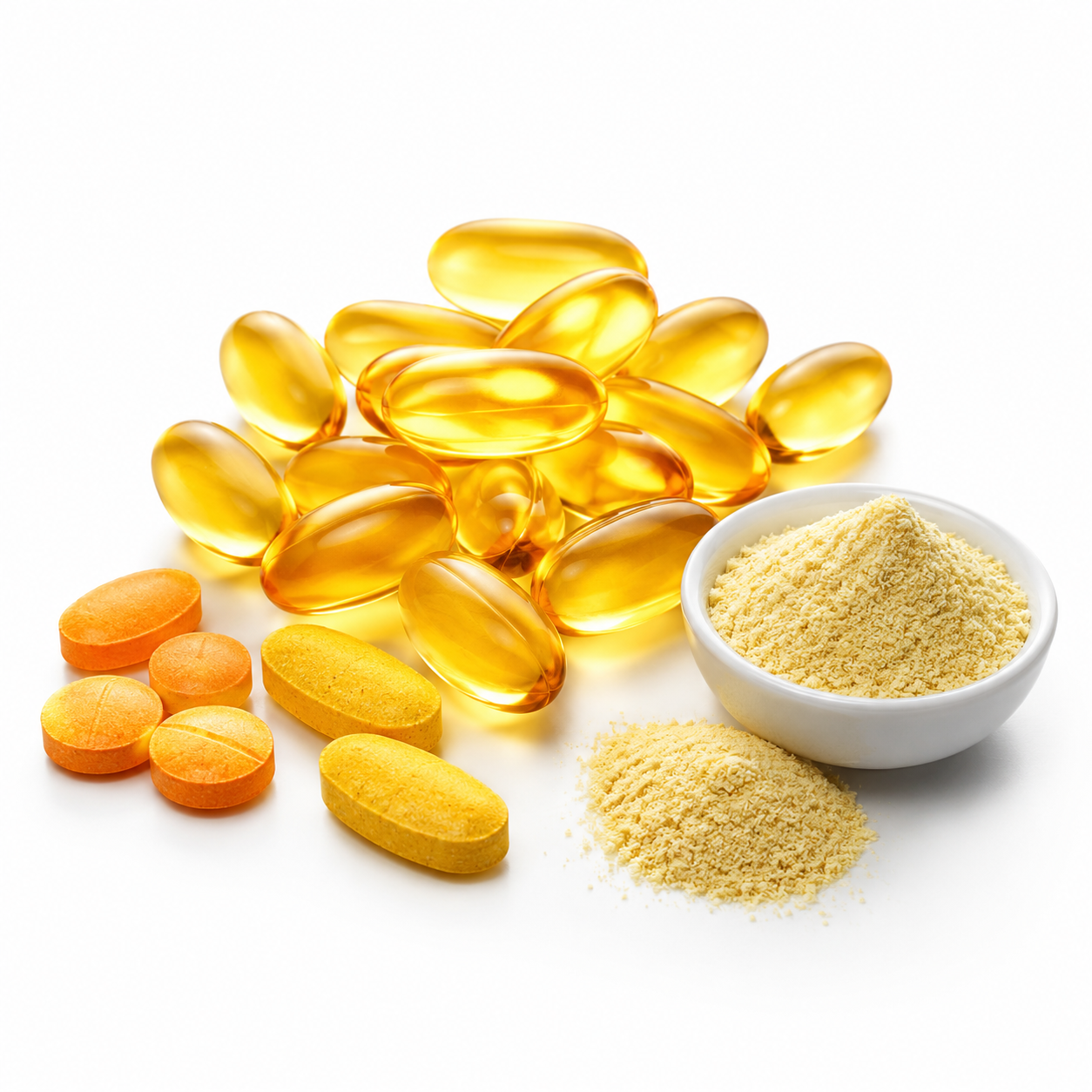
CoQ10 is a popular supplement for energy, heart health, and healthy aging. Unlike herbs such as garlic or ginger, CoQ10 is not a plant. It is a vitamin-like compound that the body naturally makes and uses in cells.
Many people become interested in CoQ10 because it plays a role in cellular energy production. It is also commonly used by people seeking antioxidant support or supplements that support cardiovascular wellness. This guide covers CoQ10 benefits, forms, interactions, and who should use caution.
CoQ10 Benefits
CoQ10 is best known for supporting cellular energy. It helps the mitochondria, often called the “powerhouses” of cells, make usable energy. Because the heart uses a lot of energy, CoQ10 is often associated with heart health supplements.
CoQ10 also acts as an antioxidant. Antioxidants help protect cells from oxidative stress, which is one reason CoQ10 is commonly included in healthy aging formulas.
Some people use CoQ10 while taking statin medications because statins can affect CoQ10 levels in the body. Anyone taking prescription medications should ask a healthcare professional before adding CoQ10, especially if they are taking heart, blood pressure, diabetes, or blood-thinning medications.
What is CoQ10?
CoQ10 stands for coenzyme Q10. It is a compound found naturally in the body, especially in organs that require a lot of energy, such as the heart, liver, and kidneys.
The body makes CoQ10 on its own, but levels may decline with age. Certain medications and health conditions may also affect CoQ10 levels.
CoQ10 is fat-soluble, which means it is absorbed better with fat-containing meals. Many CoQ10 supplements are sold as softgels because oil-based forms may be easier for the body to absorb.
Historical Uses of CoQ10
CoQ10 was identified in the 1950s, so it does not have the ancient herbal history of plants like garlic, ginger, or cinnamon. Its history is more connected to modern nutrition and cellular health research.
As researchers learned more about mitochondria and energy production, CoQ10 became popular as a supplement for heart health, energy support, and healthy aging.
Today, CoQ10 is one of the most common supplements in the cardiovascular wellness category. It is often found as a standalone product or combined with other nutrients in heart-health formulas.
Forms of CoQ10
- CoQ10 supplements are usually sold in two main forms: ubiquinone and ubiquinol.
- Ubiquinone is the traditional form of CoQ10 used in many supplements. It is widely available and often more affordable.
- Ubiquinol is the reduced form of CoQ10. Some people choose ubiquinol because it is marketed as easier to absorb, especially for older adults.
- CoQ10 softgels are very common because CoQ10 is fat-soluble. Softgels often contain oil to help with absorption.
- CoQ10 capsules, tablets, gummies, and liquid formulas are also available. No matter which form you choose, it is usually best taken with a meal that contains some fat.
Interactions: What Should Not Be Taken with CoQ10?
CoQ10 may interact with warfarin, a blood thinner. Because CoQ10 is chemically similar to vitamin K, it may affect how warfarin works in some people. Anyone taking warfarin should not start or stop CoQ10 without medical guidance.
CoQ10 may also interact with insulin or diabetes medications. People using medications to control blood sugar should ask a healthcare professional before using CoQ10, especially if they monitor glucose closely.
People taking blood pressure medications should use caution. CoQ10 may affect blood pressure in some people, so combining it with blood pressure medication may require monitoring.
People receiving cancer treatment should ask their oncology team before using CoQ10. Antioxidant supplements may not be appropriate with some types of cancer treatment.
Who Should Avoid CoQ10?
Some people should avoid CoQ10 or use it only with medical guidance.
People taking warfarin or other blood thinners should ask a healthcare provider before using CoQ10.
People taking insulin or diabetes medications should check before using CoQ10 regularly.
People taking blood pressure medications should ask whether CoQ10 is appropriate for them.
People receiving chemotherapy, radiation, or other cancer treatments should not add CoQ10 unless their oncology team approves it.
Pregnant or breastfeeding women should ask a healthcare provider before using CoQ10 supplements.
Fun Facts About CoQ10
CoQ10 is found in nearly every cell of the body. The “Q” in CoQ10 refers to quinone, and the “10” refers to part of its chemical structure.
Another fun fact: CoQ10 is sometimes called a “spark plug” nutrient because of its role in helping cells make energy. That is why it is often connected with heart health and healthy aging supplements.
Conclusion
CoQ10 is a popular supplement for cellular energy, antioxidant support, heart health, and healthy aging. It is naturally made by the body and plays an important role in mitochondrial energy production. CoQ10 is available as ubiquinone, ubiquinol, softgels, capsules, tablets, gummies, and liquid formulas. Because it is fat-soluble, it is usually best taken with a fat-containing meal. CoQ10 is generally well tolerated by many people, but it can interact with medications, especially warfarin, insulin, diabetes medications, blood pressure medications, and some cancer treatments. If you take prescription medications or have a serious health condition, ask a healthcare professional before adding CoQ10 to your routine.
Use Coupon Code: FREE
*Sorry, coupons can't be combined.