
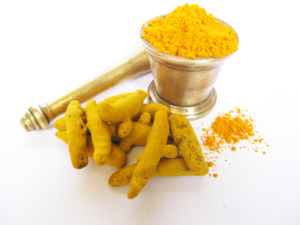
Turmeric is one of the most recognizable herbs used in both cooking and dietary supplements. Its bright golden color comes largely from curcumin, one of a group of naturally occurring compounds called curcuminoids.
For centuries, turmeric has been used in traditional Indian and Asian wellness practices. Today, turmeric and curcumin supplements are especially popular for joint support, antioxidant support and maintaining a healthy inflammatory response.
But turmeric supplements vary considerably. Some contain powdered turmeric root, others use concentrated curcumin extracts, and some add ingredients such as black pepper extract to increase absorption.
This guide explains turmeric benefits, curcumin, common uses, absorption, side effects, interactions and how to choose a turmeric supplement.
What Is Turmeric?
Turmeric, botanically known as Curcuma longa, is a plant in the ginger family. The underground stem, or rhizome, is dried and ground to create the familiar yellow-orange spice used in curry and other foods.
The same rhizome is also used to make turmeric supplements and concentrated extracts.
Turmeric contains several naturally occurring plant compounds known as curcuminoids. The best known of these is curcumin.
Turmeric vs. Curcumin: What Is the Difference?
Turmeric and curcumin are related, but they are not the same thing.
- Turmeric is the whole plant or root.
- Turmeric powder is dried, ground turmeric root.
- Curcumin is one of the major active compounds found naturally in turmeric.
- Curcumin extract is a concentrated supplement designed to provide more curcuminoids than culinary turmeric alone.
This distinction is important when comparing supplements. A product containing 500 mg of turmeric root is not necessarily equivalent to a product containing 500 mg of standardized turmeric extract.
Potential Turmeric Benefits
1. Joint Health and Mobility
Joint support is one of the most common reasons people take turmeric supplements.
Curcumin has been studied for its possible effects on pathways involved in the body’s inflammatory response. Research involving people with osteoarthritis has produced some encouraging results for knee discomfort, stiffness and mobility, although higher-quality studies are still needed.
For general wellness, turmeric may be used as part of a broader approach that includes regular movement, maintaining a healthy weight and good nutrition.
2. Antioxidant Support
Curcuminoids have antioxidant properties. Antioxidants help protect cells from oxidative stress caused by free radicals.
Oxidative stress is a normal part of metabolism, but diet and lifestyle influence the body’s overall antioxidant balance.
Turmeric supplements are therefore often included in antioxidant and healthy-aging formulas.
3. Healthy Inflammatory Response
Inflammation is part of the body’s normal response to injury and stress. Problems can arise when inflammatory signaling remains elevated for long periods.
Curcumin has been widely studied for its effect on several biological pathways involved in inflammation. This does not mean turmeric should be considered a treatment for inflammatory disease, but it helps explain why turmeric is so frequently used in joint and wellness supplements.
4. Digestive and Traditional Wellness Uses
Turmeric has a long history of traditional use in India and other parts of Asia for digestive and general wellness purposes.
Some people enjoy turmeric as a culinary spice or beverage, while others prefer supplements because they provide more concentrated amounts.
Why Is Turmeric Sometimes Combined With Black Pepper?
Curcumin is naturally difficult for the body to absorb.
For that reason, many turmeric supplements contain ingredients designed to improve bioavailability. One of the most common is piperine, a compound found in black pepper.
Piperine can substantially increase curcumin absorption. Other products use specialized delivery systems, fats, phospholipids or proprietary extracts.
Greater absorption is not automatically better for every person. Highly bioavailable curcumin formulas may also increase the likelihood of interactions or side effects, so it is important to follow label directions rather than assuming more curcumin is always preferable.
Types of Turmeric Supplements
Turmeric Root Powder
Whole turmeric root products generally provide the broad range of compounds naturally present in turmeric, but contain lower concentrations of curcumin than standardized extracts.
Standardized Turmeric Extract
These products are concentrated and may list the percentage of curcuminoids on the label.
For example, Source Naturals Turmeric Extract combines concentrated turmeric with ingredients intended to support absorption.
Enhanced-Absorption Curcumin
Some supplements are specifically formulated to improve curcumin bioavailability.
NOW Foods CurcuFRESH Curcumin uses a turmeric preparation designed to improve absorption compared with standard curcumin extracts.
Combination Antioxidant Formulas
Turmeric is also frequently combined with antioxidants, herbs and nutrients.
For example, Source Naturals Renewal Antioxidants contains turmeric extract along with vitamins, minerals and other botanical ingredients.
Turmeric Side Effects
Turmeric used as a food or spice is generally well tolerated. Concentrated supplements can cause side effects in some people.
Possible side effects may include:
- Stomach upset
- Nausea
- Diarrhea
- Constipation
- Acid reflux or heartburn
People with sensitive stomachs may tolerate turmeric supplements better when taken with food, depending on the specific product directions.
Can Turmeric Affect the Liver?
Turmeric has historically been associated with liver wellness, but concentrated curcumin supplements deserve some caution.
Rare cases of liver injury have been reported in people taking turmeric or curcumin supplements, particularly some products designed for increased bioavailability.
Stop using a turmeric supplement and seek medical advice if symptoms such as unusual fatigue, nausea, dark urine, loss of appetite or yellowing of the skin or eyes develop.
People with existing liver disease should talk with a healthcare provider before taking concentrated turmeric or curcumin supplements.
Turmeric Interactions
Blood-Thinning Medications
Turmeric and curcumin may affect blood clotting. Anyone taking warfarin, anticoagulants or antiplatelet medications should discuss concentrated turmeric supplements with a doctor or pharmacist.
Diabetes Medications
Turmeric may influence blood glucose. People using insulin or medications that lower blood sugar should monitor carefully and discuss supplement use with their healthcare provider.
Medications Affected by Absorption or Metabolism
Highly bioavailable curcumin products, especially formulas containing piperine, may alter the absorption or metabolism of certain medications.
Ask a pharmacist about potential interactions if you take prescription medication regularly.
Who Should Use Turmeric Supplements Cautiously?
Talk with a healthcare provider before using concentrated turmeric supplements if you:
- Take prescription medications.
- Take anticoagulants or antiplatelet medications.
- Use medications to lower blood sugar.
- Have liver disease.
- Have gallbladder or bile duct problems.
- Are pregnant or breastfeeding.
- Are preparing for surgery.
- Have significant gastrointestinal or reflux problems.
How to Choose a Turmeric Supplement
When comparing turmeric products, check:
- The amount of turmeric per serving.
- Whether the product contains whole turmeric root or concentrated extract.
- The amount or percentage of curcuminoids.
- Whether ingredients such as black pepper extract or another absorption-enhancing system are included.
- The serving size.
- Other herbs or nutrients in combination formulas.
- Warnings and medication precautions.
Turmeric Frequently Asked Questions
What is turmeric good for?
Turmeric is commonly used for joint support, antioxidant support and maintaining a healthy inflammatory response. Research is promising in several areas, particularly joint health, but turmeric has not been proven to treat most medical conditions for which it is marketed.
Is turmeric the same as curcumin?
No. Turmeric is the plant, while curcumin is one of the major compounds naturally found in turmeric.
Why is black pepper added to turmeric?
Black pepper contains piperine, which can increase the absorption of curcumin. Some supplements include piperine or other ingredients specifically to improve curcumin bioavailability.
Can turmeric help joints?
Some research involving turmeric or curcumin suggests possible benefits for knee discomfort and stiffness associated with osteoarthritis, but evidence is not yet strong enough to consider turmeric a replacement for medical treatment.
Can you take turmeric every day?
Many turmeric supplements are formulated for daily use. Whether daily use is appropriate depends on the dose, formulation, health conditions and medications you take. Follow the product directions and discuss long-term concentrated curcumin use with a healthcare professional if you have health concerns.
Does turmeric cause heartburn?
It can. Turmeric supplements may cause acid reflux, stomach upset or other digestive symptoms in some people.
Is more absorbable curcumin always better?
Not necessarily. Enhanced bioavailability means more curcumin may reach the bloodstream, but it may also increase the potential for side effects and interactions. Choose a formulation based on your needs rather than absorption claims alone.
The Bottom Line
Turmeric is a traditional culinary and wellness herb that has become one of the most popular dietary supplements in the United States. Its best-known compound, curcumin, has antioxidant properties and has been studied extensively for joint health and inflammatory-response support.
Research is encouraging in some areas, but turmeric should not be considered a treatment for chronic disease. Product formulations also vary considerably, especially in curcumin concentration and absorption.
Compare labels carefully, follow serving directions and check with a healthcare provider if you take medications or have liver, gallbladder or gastrointestinal conditions.
Explore turmeric products at Discount Remedies:
This article is for informational purposes only and is not intended to diagnose, treat, cure or prevent any disease. Dietary supplements may interact with medications or may not be appropriate for everyone. Talk with your healthcare provider or pharmacist if you have a medical condition, take prescription medication, are pregnant or breastfeeding, or have questions about whether a supplement is appropriate for you.
Sources
National Center for Complementary and Integrative Health (NCCIH), “Turmeric: Usefulness and Safety.” National Institutes of Health.
National Center for Complementary and Integrative Health, “Nutritional Approaches for Musculoskeletal Pain.”
Use Coupon Code: FREE
*Sorry, coupons can't be combined.